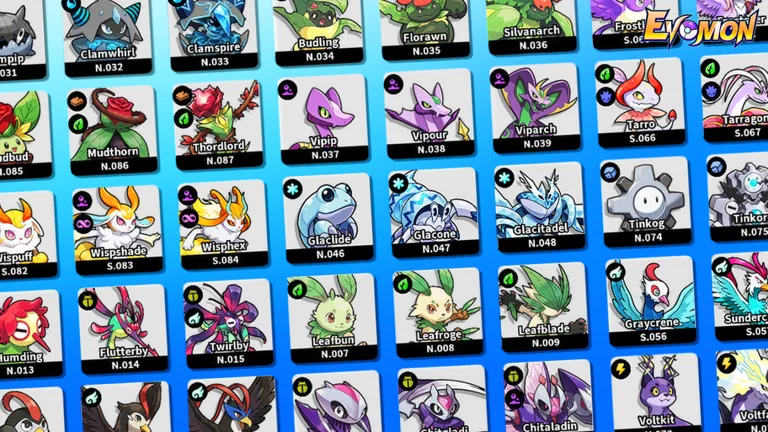
What is the Evomon Dex?
The Evomon Dex is the creature index players use to organize discovered Evomon, their types, evolution paths, locations, and practical team roles. Because the game and community databases can change quickly, a useful Dex should separate confirmed in-game details from community reports and unknown fields.
Start with a creature name, verify its type and evolution screen in-game, then use the type chart and tier list for investment decisions. Bluebird is included as an example entry because players are actively searching for it, not as proof that every community detail is final.
Need the location and evolution checks instead of the general index method? Read the Evomon Bluebird guide
Evomon Dex entry fields that matter
A reliable entry is more useful than a long list of names. Record these fields so each creature page can answer a real player decision.
| Dex field | What to record | Best verification source | Common risk | How to use it |
|---|---|---|---|---|
| Identity | Name, spelling, visual appearance | In-game Dex or encounter screen | Fan pages may use old or alternate names | Use exact names for search and internal links |
| Type | Primary and secondary type | In-game details and battle testing | Old charts may miss balance changes | Check counters on the type chart |
| Evolution | Requirement, item, level, or condition | In-game evolve screen | Costs and conditions can change | Plan Evolution Stone spending |
| Location | Area, encounter method, rarity note | Current gameplay and dated walkthroughs | Maps become stale after updates | Build a farming route |
| Team role | Damage, coverage, farming, support | Testing plus matchup context | Tier labels can hide account needs | Compare with the tier list |
This guide intentionally avoids inventing complete stats, spawn rates, or evolution costs that cannot be verified from current first-party or reproducible in-game evidence.
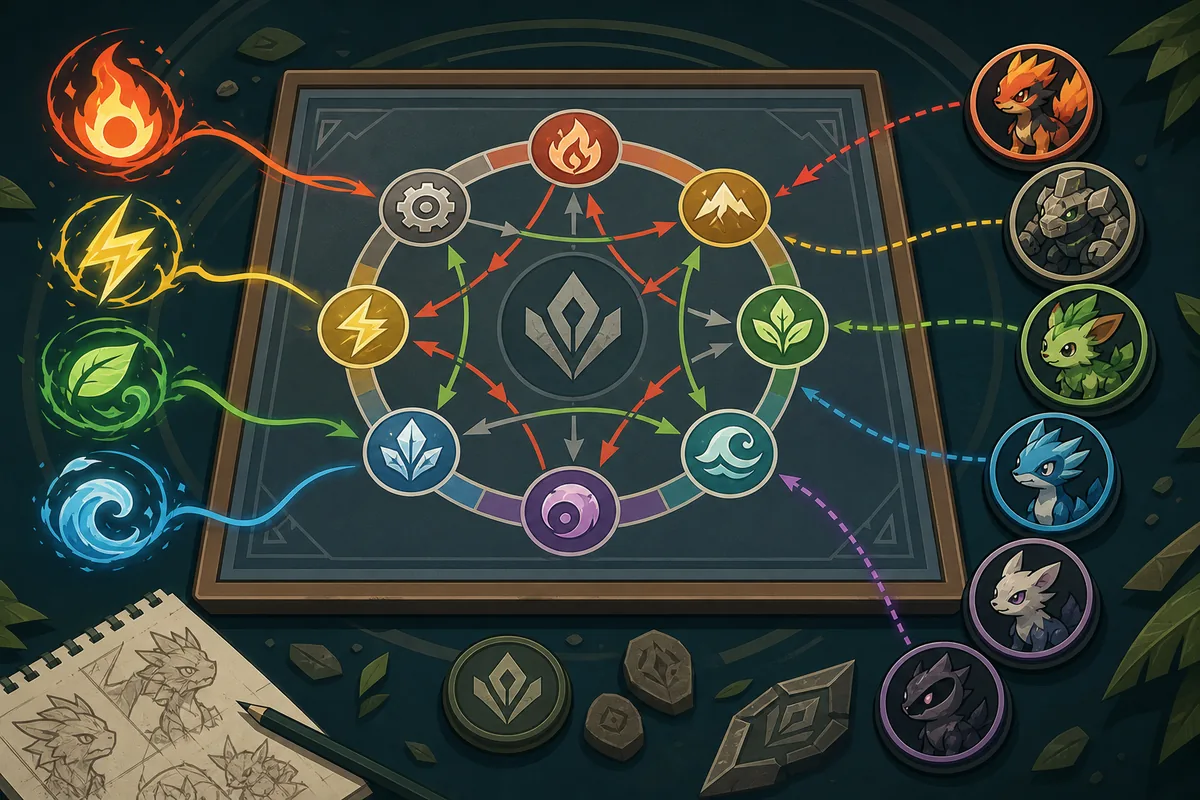
How to verify an Evomon Dex entry
Use a repeatable evidence ladder instead of copying the first wiki snippet you find.
Check the live game first
Open the official Roblox experience and confirm the creature name, type labels, menus, and evolve screen visible in the current build.
Date every community clue
A wiki, Trello board, video, or social post can help, but record when it was published and whether the current game still matches it.
Separate facts from planning
A type or evolution requirement is a fact to verify. A tier or recommended role is an editorial judgment that can vary by account.
Keep unknown fields visible
Mark uncertain spawn rates, hidden stats, or patch-sensitive requirements as unconfirmed instead of filling the gap with a guess.
Example Dex decisions: Bluebird and other entries
The goal of a Dex entry is to move from identification to a useful next action.
Bluebird search example
Similarweb shows active interest around “Evomon Bluebird,” so it belongs inside the Dex cluster rather than receiving a thin standalone page today.
- Confirm the exact in-game spelling and visual model
- Record its current type before recommending counters
- Link to a future full entry only when enough verified data exists
Evolution-focused entry
If a creature evolves with a stone or special condition, the entry should connect directly to the Evolution Stones guide.
- Show the requirement only when verified
- Explain whether the investment solves a team need
- Keep old costs labeled with their patch date
Team-building entry
A Dex should describe what a creature adds to a roster, not only repeat rarity labels.
- Compare coverage with the type chart
- Use tier-list labels as context, not absolute truth
- Suggest alternatives when a player lacks the rare option
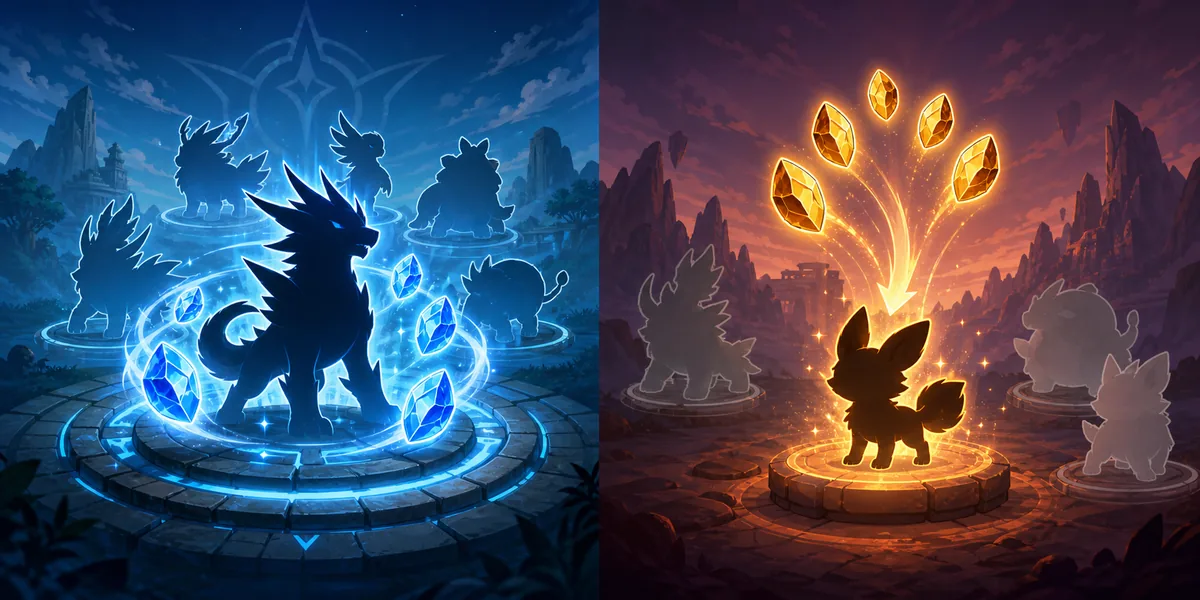
A five-step Dex research workflow
Follow this order before publishing or trusting a creature entry.
- Identify the creatureCapture the exact name and current in-game appearance.
- Verify type and menusCheck the current Dex, battle labels, or reproducible matchup behavior.
- Confirm evolution conditionsUse the evolve screen before spending stones, fruit, coins, or rerolls.
- Cross-check location evidencePrefer recent gameplay evidence and date any route notes.
- Connect the decision guidesUse the type chart, tier list, codes, and Evolution Stones pages to decide what to do next.
Common Evomon Dex mistakes
Treating a fan wiki as official
Community databases are useful research leads, but the live Roblox experience remains the strongest verification point.
Creating one page per thin keyword
A name such as Bluebird should stay in the Dex until there is enough verified material to support a useful standalone entry.
Copying old evolution costs
Patch-sensitive costs must include a date and should be rechecked on the evolve screen.
Confusing popularity with team fit
A searched or high-tier Evomon may still duplicate a role your account already covers.
Evomon Dex FAQ
Is there an official Evomon Dex?
The live Roblox experience is the best first-party place to verify current creature names and menus. Evomon.blog is an independent fan guide and does not claim to be the official Dex.
Is the Evomon Trello the same as the Dex?
No. A Trello board or community database may organize update notes and creature details, but it should be treated as a source to cross-check rather than a replacement for current in-game verification.
What is Evomon Bluebird?
Bluebird is an Evomon-related search term with measurable interest. This guide treats it as a candidate Dex entry and recommends confirming its exact name, type, evolution, and location in the current game before publishing definitive claims.
Should every Evomon get a separate page?
Only when the entry has enough verified information and distinct search intent. Thin names belong in the main Dex, a comparison table, an FAQ, or an internal-link anchor until they can answer a complete player question.
How does the Dex connect to the type chart?
The Dex identifies a creature and its type; the type chart explains matchups and coverage. Use both before investing resources.
How does the Dex connect to Evolution Stones?
When an entry has a verified stone requirement, use the Evolution Stones guide to compare farming routes and spending priority.
How often should Dex entries be checked?
Recheck important entries after major updates, map changes, evolution changes, or new community evidence. Always retain the verification date.
Sources and verification notes
- Official Roblox Evomon experience - Official play access and the strongest first-party verification point for current menus and creatures.
- Evomon community wiki - Community wiki lead for Dex-related names and structure; verify details in-game before treating them as current.
- Evomon type chart guide - Internal matchup guide for turning verified types into team decisions.
- Evomon Evolution Stones guide - Internal guide for evolution-item planning after a requirement is verified.